Capturing the Perfect Sunrise Over a Desert Landscape
Desert landscapes offer some of the most dramatic and ethereal sunrise scenes in the natural world. The interplay of low-angle light across vast dunes, rocky outcroppings, and sparse vegetation creates a palette of warm hues and deep shadows that many photographers seek to capture. However, planning a successful sunrise shoot in arid regions such as the American Southwest requires thoughtful preparation due to the unique environmental conditions. Understanding the terrain, the behavior of light, and the potential hazards like sandstorms is essential for turning a sunrise outing into a productive photographic experience.
The challenges of desert photography go beyond simply waking up early. Temperature swings, blowing sand, and the need to scout locations in limited light all demand a systematic approach. While no two sunrises are identical, having a structured planning framework helps photographers make the most of the fleeting moments around dawn. This article outlines a process-oriented method for preparing for a desert sunrise shoot, covering equipment selection, weather analysis, safety measures, and compositional techniques.
Understanding the Desert Environment
Desert environments are characterized by extreme temperature fluctuations, low humidity, and sparse vegetation. Before selecting a specific location for sunrise photography, it is helpful to understand how these factors influence the quality of light and the stability of conditions. In the American Southwest, areas like Death Valley, Monument Valley, and the Sonoran Desert offer distinct geological features that can be used as focal points. The angle of the sun relative to these features changes throughout the year, so studying seasonal sun paths is a useful first step.
Wind patterns in arid regions can shift rapidly, especially around dawn when thermal changes begin. Sand and dust carried by these winds can affect visibility and create atmospheric haze, which may either enhance or obscure a sunrise scene. Additionally, the ground temperature cools overnight, leading to condensation on surfaces in some desert areas. This moisture can settle on camera gear, requiring careful handling during setup. By researching historical weather data for a chosen location, photographers can anticipate typical sunrise conditions and adjust their plans accordingly.
Essential Equipment Choices
Selecting the right equipment for a desert sunrise shoot involves balancing portability, durability, and optical performance. A sturdy tripod is highly recommended because low-light conditions at dawn often require longer exposure times. Carbon fiber tripods are lighter and less affected by temperature changes, making them a practical choice for hiking to remote spots. For the camera body, a model with good dynamic range helps retain detail in both the bright sky and shadowed foreground areas commonly found in desert scenes.
Lenses with focal lengths between 16mm and 35mm are frequently used to capture the expansive scale of desert landscapes. A wide-angle lens allows the photographer to include foreground elements like textured sand or rocks while keeping the horizon low. Neutral density graduated filters can assist in balancing the brightness of the sky against the darker land, reducing the need for heavy post-processing. Lens hoods are also useful for minimizing flare when shooting into the rising sun. Because sand can abrade lens coatings, carrying a microfiber cloth and a blower brush is a practical precaution.
Protecting electronic equipment from fine dust is another consideration. Sealed camera bodies and lenses with weather sealing provide an additional layer of defense, but no system is completely immune. Simple measures such as keeping gear inside a padded bag until the moment of shooting and using a plastic cover over the camera can reduce the risk of dust infiltration. Batteries should be kept warm in cold desert mornings to maintain charge, as low temperatures can drain power more quickly than expected.
Weather Forecasting and Timing
Reliable weather forecasting is a cornerstone of sunrise photography planning. For desert regions in the American Southwest, several online tools and mobile applications provide hourly data on cloud cover, wind speed, humidity, and precipitation probability. Monitoring these variables for at least three days before a planned shoot allows photographers to identify trends and choose a morning with favorable conditions. Overcast skies may diffuse the sunlight and produce muted colors, while partly cloudy skies can create dramatic streaks of color as the sun rises.
Sunrise times change gradually throughout the year, and the exact moment of civil twilight is crucial for capturing the transition from darkness to light. Arriving at the location at least 45 minutes before the predicted sunrise gives time for setup and scouting. During that period, the ambient light evolves quickly, offering opportunities for both pre-dawn blue tones and the first golden rays. Checking satellite imagery for dust or haze layers can help predict whether the air will be clear enough for sharp images. A clear, calm morning often yields the most vibrant sunrise colors.
Wind forecasts deserve particular attention in arid environments. Moderate winds can be tolerable, but strong gusts may raise dust that obscures distant landmarks and creates a gritty atmosphere. Sustained winds above 15 miles per hour often make long-exposure photography challenging due to camera shake and airborne debris. Choosing a location with natural windbreaks, such as behind a large rock formation or in a canyon, can mitigate these effects without altering the composition.
Sandstorm Precautions
Sandstorms, while not an everyday occurrence, can develop quickly in desert regions and present both safety risks and equipment threats. When planning a sunrise shoot, it is prudent to review historical patterns for the specific area. In the American Southwest, late winter and early spring are periods when strong frontal systems can generate dust storms. Monitoring local weather alerts and understanding the difference between a dust advisory and a full sandstorm helps photographers make informed decisions about whether to proceed or postpone.
If conditions suggest a potential sandstorm, several steps can be taken to minimize risk. Carrying a sealed dry bag for camera storage allows quick protection of sensitive electronics if wind speeds increase unexpectedly. A bandana or dust mask can help protect the photographer's respiratory system from fine particles. Choosing a shooting position that is downwind of large obstacles may reduce direct exposure to blowing sand. In the event that a sandstorm does appear, it is generally advisable to seek shelter rather than attempt to continue shooting. Staying low to the ground and covering the face and equipment until the wind subsides can prevent damage and injury.
After any exposure to sandy conditions, cleaning gear properly is important. Using a blower to remove loose particles before wiping lenses prevents scratches. Camera bodies should be inspected for dust inside the mirror box or sensor, and sensor cleaning should be performed only with the appropriate tools. Sand trapped in tripod leg joints can cause stiffness; rinsing with fresh water and drying thoroughly afterward helps maintain functionality. These precautions do not guarantee that equipment will remain unscathed, but they do reduce the likelihood of permanent damage.
Composition and Exposure Techniques
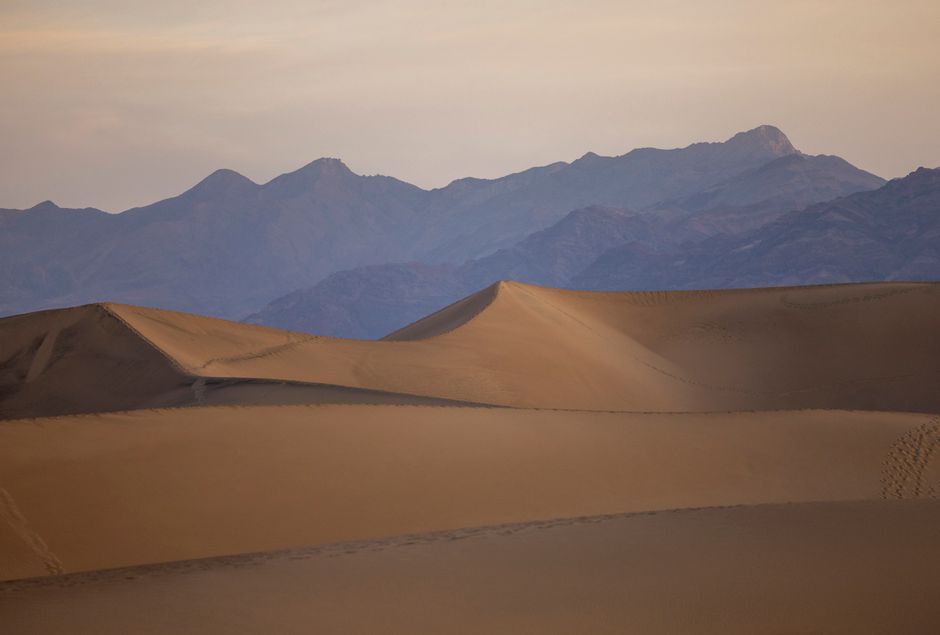
Composition in desert sunrise photography often relies on the interplay between vast empty spaces and small, detailed foreground elements. Placing a distinct object—such as a cactus, a weathered rock, or a pattern of ripples in the sand—in the lower third of the frame creates a sense of scale and leads the viewer's eye toward the horizon. The rule of thirds and leading lines formed by dune ridges or dry riverbeds are practical guidelines, though experimentation is encouraged to find unique perspectives.
Exposure management is particularly important during sunrise because the dynamic range between the bright sky and darker land can exceed the sensor's capacity. Using exposure bracketing—taking multiple shots at different shutter speeds—allows the photographer to blend images later for balanced tonal range. Alternatively, a graduated neutral density filter can reduce the brightness of the sky in a single exposure. Checking the histogram on the camera's display helps verify that highlights are not clipped and shadows retain detail. As the sun rises higher, the light becomes harsher, so most shooting activity concentrates on the first hour after sunrise.
Focusing in low light can be challenging. Using manual focus with live view magnification or focusing on a distant element during twilight are common strategies. Autofocus systems sometimes struggle with low contrast in pre-dawn light, so switching to manual control early on reduces the chance of missed shots. Sunstars created by a small aperture setting, such as f/16, can add a creative element when the sun appears partially behind a dune or rock formation. However, such effects depend on the specific alignment of the scene and cannot be guaranteed.
Post-processing work after the shoot allows for fine-tuning color balance, contrast, and sharpness. Adjusting white balance to reflect the warm tones of sunrise, while preserving cool blues in the shadows, often enhances the natural mood. Avoiding aggressive saturation helps maintain a realistic appearance. The goal of post-processing is not to manufacture a perfect image but to bring out the qualities that were present during the morning light. Each sunrise offers a distinct visual experience, and the photographer's role is to document that moment with clarity and intention.