A Guide to the Most Photogenic Waterfalls in Iceland
Iceland is a land shaped by glacial rivers, volcanic activity, and constant geological transformation. Among its most celebrated natural features are waterfalls, which cascade over ancient basalt cliffs, carve through moss-covered canyons, and tumble directly into the North Atlantic. For travelers and photographers alike, these waterfalls offer a wide range of visual opportunities that change dramatically with the seasons and light conditions. This article focuses on two of the most iconic and frequently photographed waterfalls in Iceland: Seljalandsfoss and Skógafoss. It examines their distinct characteristics, access routes, and how seasonal variations can influence the experience of visiting them.
Understanding what makes a waterfall photogenic involves more than just height or volume. The surrounding landscape, the angle of the sun, the presence of rainbows, and the interplay of water with rock formations all contribute to the visual appeal. In Iceland, many waterfalls are set against dramatic backdrops of black sand beaches, green valleys, or snowy peaks, which enhance their photographic potential. This guide provides a process-oriented overview for those planning to explore these sites, emphasizing contextual information rather than prescriptive advice.
Understanding the Appeal of Photogenic Waterfalls
Photogenic qualities in a waterfall often arise from a combination of natural elements that create visual contrast and depth. For example, the dark volcanic rock commonly found in Iceland provides a striking counterpoint to the white foam of falling water. The presence of mist, spray, and rainbows during certain times of day adds further layers of interest. Additionally, the ability to approach a waterfall from multiple angles allows for a variety of compositions, from wide-angle landscape shots to intimate close-ups of the water’s texture.
Geology also plays a role. Many Icelandic waterfalls flow over ancient lava flows or along fault lines, creating unique structural features such as overhangs, caves, and stepped ledges. These features not only affect how the water behaves but also how light interacts with the scene. During the midnight sun in summer, long golden hours provide soft illumination, while winter brings low-angled sunlight and occasional ice formations. The unpredictable weather, with frequent rain and cloud cover, can create moody atmospheres that appeal to certain photographic styles.
Seljalandsfoss: Key Features and Access
Seljalandsfoss is one of the few waterfalls in Iceland where visitors can walk behind the falling curtain of water. This accessibility makes it a particularly interesting subject for photography, as the perspective from behind the waterfall offers a reversed view of the landscape. The waterfall drops approximately 60 meters over a cliff that was once part of the coastline. Today, it is set back inland due to glacial retreat, but the surrounding area still features the same dramatic escarpment.
Access to Seljalandsfoss is straightforward. It is located along the Ring Road (Route 1), roughly 120 kilometers east of Reykjavik. A marked parking area provides direct entry to a well-maintained path that leads to the base of the falls. Visitors can follow the path around the waterfall, though the section behind the falls can be slippery due to constant spray. Wearing waterproof clothing and sturdy footwear is common practice, as the mist can quickly soak through regular attire.
Best viewpoints for photography include the front of the waterfall, where the full height and width are visible, and the path behind the falls, which offers a unique framing of the surrounding valley. During midday in summer, the sun is high and may create harsh shadows, but late afternoon and early morning provide softer light. In winter, the path behind the falls may be closed due to ice, but the front view can be spectacular with snow-covered rocks and frozen mist.
Seasonal variations significantly affect the experience at Seljalandsfoss. Summer months bring longer daylight hours and greener vegetation, with wildflowers dotting the hillsides. Autumn introduces earthy tones as the vegetation changes, while winter transforms the area into a quieter, more austere landscape. The flow rate of the waterfall itself remains relatively consistent throughout the year, though spring melt can increase volume temporarily.
Skógafoss: Scale and Surroundings
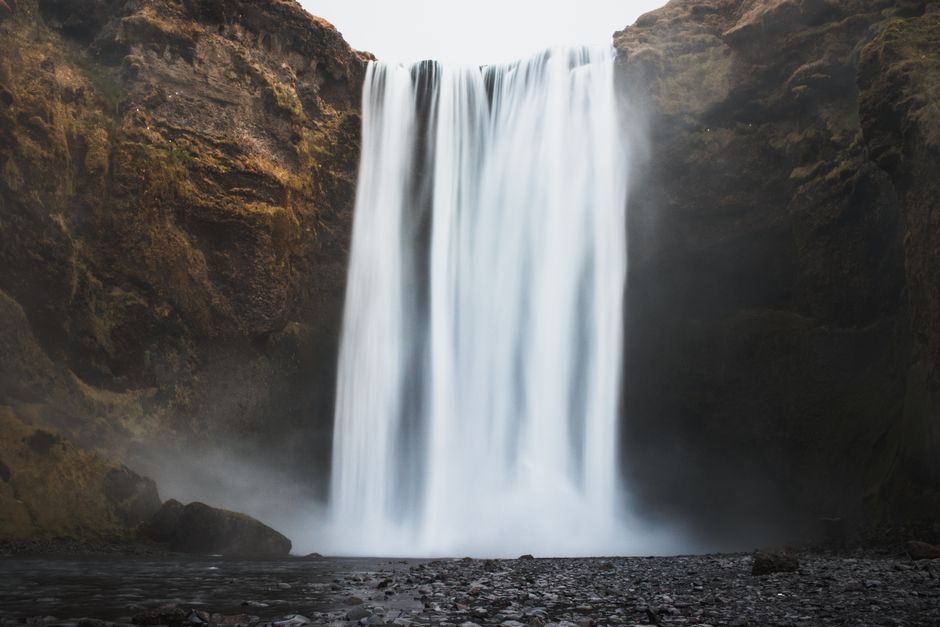
Skógafoss is one of the largest waterfalls in Iceland, with a width of 25 meters and a drop of 60 meters. Its sheer scale and consistent flow make it a powerful subject for photography. Unlike Seljalandsfoss, visitors cannot walk behind Skógafoss, but they can approach its base closely and climb a staircase on the side to view the water from above. The staircase leads to a lookout platform that provides a panoramic view of the coastline and the Skógá River valley.
Access to Skógafoss is also located along the Ring Road, about 30 kilometers east of Seljalandsfoss. The parking area is large and well-marked, with facilities including restrooms and a café. The path to the base of the waterfall is short and flat, making it easily reachable. Climbing the staircase involves a significant number of steps, but the view from the top rewards the effort with a vantage point that captures the river’s path toward the ocean.
Photographic opportunities at Skógafoss vary depending on the time of day and weather. In clear conditions, rainbows are frequently visible in the mist at the base, especially in the morning and afternoon. The contrast between the white water and the dark basalt cliff is a defining feature of many images. From the top, the perspective emphasizes the winding river and the flat coastal plain, offering a different compositional choice.
Seasonal changes at Skógafoss are evident in the surrounding landscape. Summer brings lush green fields and blooming lupines along the riverbanks. Winter can coat the cliffs and nearby trees in frost, creating a monochromatic scene. The flow of water remains strong year-round, though winter storms may occasionally make access difficult. The nearby coastal area, including the black sand beach of Reynisfjara, can be combined with a visit to Skógafoss for a broader exploration of the region’s geological diversity.
Seasonal Variations and Practical Considerations
The timing of a visit can influence not only the visual appearance of these waterfalls but also the overall experience of traveling in Iceland. Summer, from June to August, offers extended daylight hours with only a few hours of twilight, allowing for flexible scheduling. However, this period also attracts larger numbers of visitors, which can affect parking availability and the ability to take unobstructed photographs. Spring and autumn provide a balance between manageable crowds and favorable weather, though rain and wind are common year-round.
Winter visits require additional preparation due to shorter days, colder temperatures, and potentially icy paths. The reduced daylight means fewer hours for photography, but the low-angle sun can create dramatic lighting conditions. Northern lights sightings are possible on clear winter nights, though they are not directly related to the waterfalls. For those planning to photograph the waterfalls during winter, checking road conditions and weather forecasts is a common step before departure.
Photography during different seasons also involves considering the position of the sun relative to the waterfall. At Seljalandsfoss, the best light for the front view occurs in the late afternoon, while the path behind the falls is best lit in the morning. At Skógafoss, the rainbow appears most frequently when the sun is behind the photographer, which is typically in the morning. These patterns are not guarantees but observations that can be factored into planning.
Exploring the Broader Region
While Seljalandsfoss and Skógafoss are highlights, the surrounding area contains several other waterfalls that may appeal to those interested in photography and nature. Within a short drive, visitors can find Gljúfrabúi, a hidden waterfall partially enclosed by a narrow canyon, and Kvernufoss, a smaller but less crowded option. Further east, the larger waterfalls of Svartifoss and Dettifoss offer different geological settings, though they require more travel time.
The South Coast, where these waterfalls are located, also features glaciers, volcanic landscapes, and coastal formations. Combining visits to multiple waterfalls with other natural attractions can provide a fuller picture of Iceland’s geological diversity. Companies such as Wild Vistas offer structured tours that include transportation and guidance, which can be helpful for visitors unfamiliar with the area’s roads and weather patterns. However, independent travel is also possible with careful planning.
In conclusion, the photogenic nature of Iceland’s waterfalls stems from their setting, accessibility, and the ever-changing interplay of light and season. Seljalandsfoss and Skógafoss exemplify how each waterfall offers a unique perspective and set of conditions for those interested in photography and natural exploration. By understanding the access routes, best viewpoints, and seasonal variations, visitors can approach these sites with a broader awareness of what to expect.