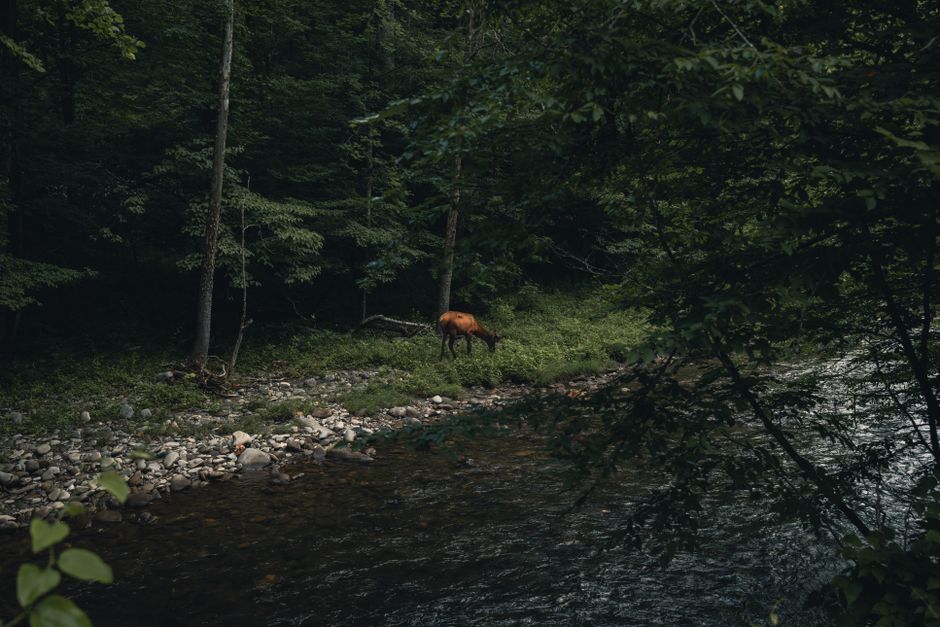
Wildlife Encounters While Trekking in National Parks
Exploring the vast landscapes of North American national parks often brings opportunities to observe wildlife in their natural habitats. From the dense forests of Yellowstone to the alpine meadows of Banff, encounters with bears, elk, and a variety of bird species can be a memorable part of any trek. Understanding how to approach these moments with respect and caution is essential for both visitor safety and the well-being of the animals.
Wildlife observation is not simply about spotting animals from a distance. It involves recognizing patterns of behavior, understanding the purpose of park regulations, and applying practices that minimize human impact. Many parks provide specific guidelines for viewing distances and photography, which are designed to reduce stress on animals and prevent dangerous interactions. By familiarizing oneself with these principles, trekkers can contribute to the preservation of natural ecosystems while enjoying meaningful experiences.
This article discusses key considerations for observing bears, elk, and birds across national parks in the United States and Canada. It covers recommended distances, ethical photography techniques, and the importance of preparation. The information is intended to support informed decision-making rather than prescribe specific actions, as every encounter depends on context, location, and the behavior of the animals involved.
Understanding Wildlife Behavior and Park Regulations
Each species has distinct habits and responses to human presence. Bears, for example, may be more active during dawn and dusk, while elk often gather in meadows during the rutting season. Birds vary widely in their tolerance of human proximity, with some species abandoning nests if disturbed. Recognizing these patterns helps trekkers anticipate where and when animals are likely to be seen, and how to adjust their own behavior accordingly.
National parks in North America enforce specific regulations based on decades of research and management experience. For bears, the standard recommendation is to stay at least 100 yards (approximately 91 meters) away. For elk and most other large mammals, a distance of 75 to 100 feet (23 to 30 meters) is commonly advised. These distances are not arbitrary; they are based on studies of flight initiation distances and the likelihood of defensive aggression. When an animal shows signs of alertness, such as raised head, flattened ears, or direct staring, it may be indicating that the current distance is too close.
Trekking routes often pass through habitats where wildlife corridors overlap. In such areas, extra caution is warranted. Carrying bear spray, hiking in groups, and making noise to avoid surprising animals are widely recommended practices. It is important to note that regulations can vary between parks, and trekkers should consult the specific guidelines of the park they are visiting before setting out.
Respectful Viewing Distances and Safe Observation Methods
Maintaining appropriate distance is a cornerstone of ethical wildlife observation. For bears, the commonly cited minimum of 100 yards gives the animal space to move freely without feeling cornered. If a bear changes its direction of travel or begins to approach, the observer should slowly back away without turning their back. Sudden movements or running can trigger a chase response. Similarly, for elk during the rut, approaching too closely might provoke a charge, especially from bulls guarding a harem.
Photography and binoculars enable trekkers to view animals without encroaching. A telephoto lens with a focal length of at least 300mm is typically recommended for capturing clear images from a safe distance. Spotting scopes are useful for observing birds in treetops or across open valleys. When using any optical equipment, it helps to remain still and avoid loud noises that could startle the animal.
Roads and designated viewing areas provide another layer of safety. Many national parks have pullouts and trails that offer excellent sightlines while keeping visitors at a respectful distance. In Yellowstone, for instance, the Lamar Valley is known for its bison and wolf populations, and visitors often observe from their vehicles. Park signs and ranger guidance can indicate where safe viewing is possible without leaving the trail or vehicle.
Ethical Photography Guidelines for Wild Animals
Photographing wildlife requires a balance between capturing compelling images and preserving the animal’s natural behavior. The primary principle is that the animal’s welfare should never be compromised for a photograph. This means avoiding actions that cause stress, such as using flash at night, making sudden movements to attract attention, or baiting animals with food. In national parks, feeding wildlife is both prohibited and harmful, as it alters their natural foraging patterns and can lead to habituation.
Birds are particularly sensitive to disturbance during nesting season. Approaching a nest too closely may cause the parents to abandon the eggs or chicks. Many bird photographers follow the rule of staying at least 100 feet from nests, and they use long lenses to minimize intrusion. In some parks, temporary closures of certain areas occur to protect nesting sites, and these restrictions should be respected.
For bears and elk, the focus should be on capturing natural moments without interference. Patience is key: waiting for the animal to engage in typical activities like foraging, grazing, or resting often results in more authentic images than trying to provoke a reaction. It is also advisable to avoid post-processing that misrepresents the scene, such as removing signs of human presence that document the reality of the encounter.
Preparing for Wildlife Encounters on the Trail
Preparation begins before the hike. Researching the species likely to be encountered in a specific park helps trekkers know what to watch for and how to react. For example, knowing that grizzly bears are present in Glacier National Park versus black bears in Shenandoah can influence the type of bear spray and food storage methods used. Checking recent wildlife sightings posted at visitor centers or park apps can also provide useful context.
Packing the right gear supports safe observation. Binoculars, a field guide, and a camera with a long lens are standard items. For bear country, bear spray should be carried in an easily accessible holster, not buried in a backpack. Clothing that blends with the environment and minimizes noise, such as soft-fiber jackets, helps reduce detectability. Hiking poles can also be used to make noise and signal presence.
On the trail, staying aware of surroundings is critical. Looking for tracks, scat, or other signs of recent animal activity can indicate that an encounter may be imminent. Listening for bird alarm calls or the rustling of undergrowth also provides cues. When an animal is sighted, the first step is to assess distance and behavior. If the animal appears unaware or undisturbed, it is often possible to continue observing quietly. If it shows signs of agitation, moving away calmly is the appropriate response.
Group dynamics matter as well. Larger groups are generally more detectable and less likely to be approached by predators, but they also create more noise. Maintaining a compact group and avoiding spreading out on the trail helps reduce the chance of surprising an animal. Children and pets require special consideration; many national parks prohibit dogs on trails in wildlife habitats because they can provoke defensive reactions.
Seasonal Considerations for Wildlife Observation
The time of year significantly influences wildlife behavior and accessibility. In spring, bears emerge from hibernation and focus on finding food, often foraging in meadows and along streams. This period offers opportunities to observe mothers with cubs, but extra caution is needed because sows are highly protective. Elk calving season in late spring and early summer means that females may be more sensitive to disturbances; keeping distance is especially important.
Summer brings longer days and more visitors, which can alter animal movement patterns. Some animals become more nocturnal to avoid human activity. Early morning and late evening hikes often yield better sightings. For birds, summer is the peak breeding season, and many species are vocal and active. Migratory birds pass through certain parks during spring and fall, creating temporary concentrations that attract observers.
Autumn is the rutting season for elk and deer, when males compete for mates. Bugling elk can be heard from a distance, and bulls may be more aggressive. During this time, staying at least 100 feet away is strongly advised. Bear activity also increases in preparation for hibernation, with animals spending more time feeding on berries and salmon. In coastal parks like Katmai, brown bears congregate at rivers, and designated viewing platforms allow safe observation.
Winter in many northern parks means reduced visitor numbers but also unique opportunities. Animals such as wolves and coyotes may be more visible against snow. Birds that remain year-round, like chickadees and jays, become accustomed to human presence around feeders. Trekking in winter requires additional preparation for cold temperatures and shorter daylight, but the quiet atmosphere often leads to more intimate encounters with wildlife.
Observing wildlife in national parks is a privilege that carries responsibility. Distance, patience, and knowledge form the foundation of ethical encounters. Every trek is a chance to learn, but the well-being of the animals always comes first.
By integrating these considerations into trekking plans, visitors can enjoy meaningful experiences while contributing to the conservation of North America’s natural heritage. The guidelines discussed here are not exhaustive, and each park provides specific resources for up-to-date information. Ultimately, the goal is to observe without disruption, allowing wildlife to continue their natural cycles undisturbed.